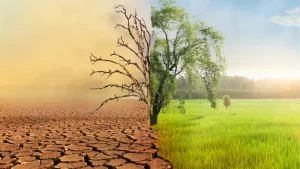

As climate change intensifies, South Africa is experiencing more frequent floods, droughts, heatwaves, and severe storms posing significant risks to critical infrastructure.
Roads are washing away, water systems are strained, and energy networks are under pressure.
The need for resilient infrastructure systems that can withstand, adapt to, and recover from climate impacts has never been more urgent.
At Synergy Evolution, we work with public and private stakeholders to future-proof infrastructure across South Africa.
This roadmap outlines the key steps to building infrastructure that not only survives climate disruption but supports long-term sustainability and socio-economic stability.
1. Conduct Climate Risk Assessments
Before planning or upgrading infrastructure, it’s essential to understand the specific climate risks facing each region.
Sea level rise, temperature extremes, rainfall variability, and wind intensities differ greatly across provinces.
Action step:
Use localised climate models and historical data to assess vulnerability. Risk mapping allows for smarter location selection, design, and resource allocation.
2. Design with Adaptability in Mind
Rigid infrastructure designs that can’t accommodate changing conditions are destined to fail. Future-ready infrastructure must be modular, flexible, and scalable.
Action step:
Incorporate green infrastructure (e.g., permeable pavements, bioswales, green roofs) and nature-based solutions alongside traditional engineering.
This builds natural resilience while reducing long-term maintenance costs.
3. Invest in Durable, Climate-Resistant Materials
Extreme weather conditions degrade conventional infrastructure faster than ever.
From water pipes to building materials, the selection of climate-resilient components is a critical step in adaptation.
Action step:
Use materials that can withstand higher temperatures, flooding, or corrosion. Also, factor in maintenance schedules and life-cycle costs when choosing technologies and designs.
4. Strengthen Energy and Water Resilience
Disruptions to energy and water systems pose a major threat to communities and economies.
Climate-resilient infrastructure must address these core needs with redundancy and innovation.
Action step:
Integrate decentralised renewable energy systems (e.g., solar microgrids), off-grid water treatment, and storage technologies. Build flexibility into networks to reduce reliance on single points of failure.
5. Prioritise Community Resilience
Infrastructure alone cannot guarantee safety or stability; it must be part of a broader community resilience strategy.
People must be informed, engaged, and empowered to act in times of crisis.
Action step:
Include community education, disaster response training, and early warning systems in all infrastructure plans. Infrastructure must work hand-in-hand with local knowledge and capacity.
6. Embed Resilience in Policy and Procurement
For long-term change, climate resilience must be embedded in how infrastructure is financed, regulated, and procured.
Action step:
Update municipal development frameworks to include climate adaptation standards. Incorporate resilience criteria in tenders and project evaluations to ensure compliance and innovation.
Conclusion
Climate change is not a future threat, it is a present reality. Resilient infrastructure is no longer optional; it is foundational to South Africa’s development.
By planning proactively and integrating climate risk into every decision, we can build infrastructure that endures and empowers.
At Synergy Evolution, we partner with stakeholders to design and deliver climate-smart infrastructure strategies from assessments to implementation.