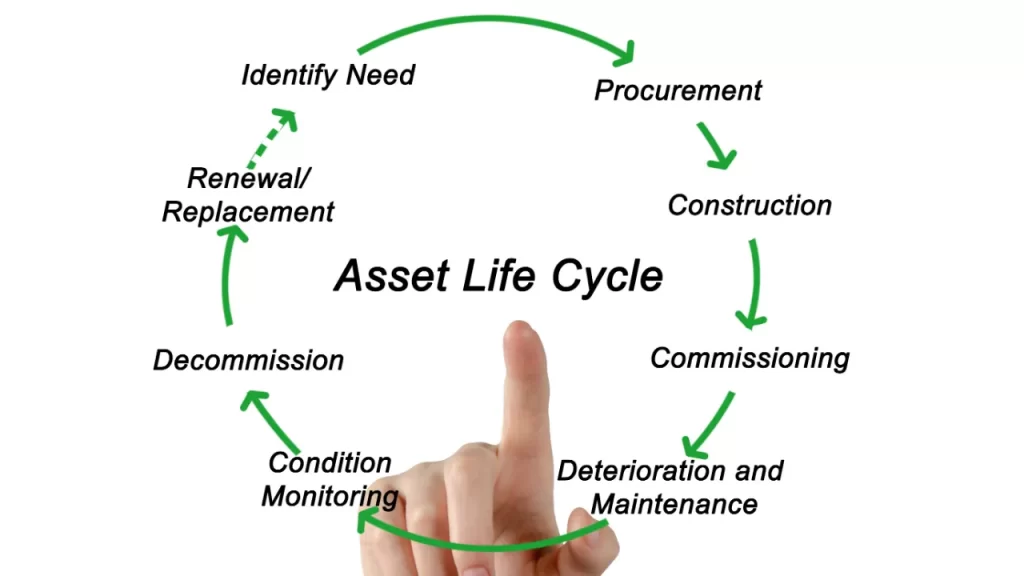
Understanding asset lifecycle stages is essential because it helps organizations manage assets more efficiently, optimize costs, extend asset life, and improve overall service delivery.
Asset management isn’t just a matter of owning things—it’s about knowing how each asset evolves over time and how decisions at each stage can make or break operational success.
The lifecycle concept provides a structured way to plan, assess, and optimize asset performance from cradle to grave.
Each stage of the lifecycle—from planning to disposal—impacts decision-making, risk management, and financial performance.
Planning and Acquisition
The first stage involves identifying the need for an asset, assessing options, and planning for procurement.
- Impact: Decisions made during this stage determine long-term costs, functionality, and operational efficiency. Proper planning ensures that only value-adding assets are acquired.
- Example: Choosing energy-efficient machinery reduces future operating costs and environmental impact.
Deployment and Commissioning
Once acquired, assets are installed, configured, and integrated into operations.
- Impact: Proper commissioning ensures assets perform as expected from the start, reducing the likelihood of early failures.
- Best Practice: Implement quality assurance checks to validate performance and compliance.
Operation and Utilization
This is the active phase where assets are used to deliver services or produce goods.
- Impact: Effective utilization maximizes return on investment while avoiding overuse that could lead to premature wear.
- Tip: Track usage data to optimize operational efficiency and reduce unnecessary downtime.
Maintenance and Optimization
Regular maintenance ensures assets remain safe, reliable, and cost-effective throughout their operational life.
- Impact: Well-maintained assets have fewer breakdowns, lower repair costs, and better compliance with regulations.
- Example: Implementing predictive maintenance tools helps detect issues before they become costly failures.
Renewal or Upgrade
At this stage, organizations assess whether to renew, upgrade, or replace assets to meet evolving needs or technologies.
- Impact: Strategic upgrades can enhance performance and extend asset value without requiring full replacement.
- Best Practice: Conduct lifecycle cost analysis to determine the most cost-effective approach.
6. Decommissioning and Disposal
The final stage involves removing assets from service and disposing of them responsibly.
- Impact: Proper decommissioning avoids environmental harm, ensures regulatory compliance, and can recover residual value.
Sustainability Tip: Recycling or repurposing assets supports environmental goals and reduces waste.
Why Lifecycle Understanding Matters
By understanding each lifecycle stage, organizations can plan strategically, reduce total ownership costs, mitigate risks, and ensure assets consistently deliver value.
At Synergy Evolution, we guide businesses through every stage of the asset lifecycle, enabling sustainable, cost-effective, and compliant asset management practices.
Want help mapping the lifecycle of a specific asset class—like real estate, vehicles, or equipment? Synergy Evolution can build a tailored breakdown that fits your organization’s needs.