Unlike physical assets, intangible assets such as software, licenses, and intellectual property are not visible—but they are vital.
Mismanaging them can lead to misstatements in financial reports, poor investment decisions, and audit concerns.
At Synergy Evolution, we guide organisations through the proper recognition, valuation, and management of intangible assets to ensure compliance with GRAP 31, IFRS 38, and overall audit readiness.
What Are Intangible Assets?
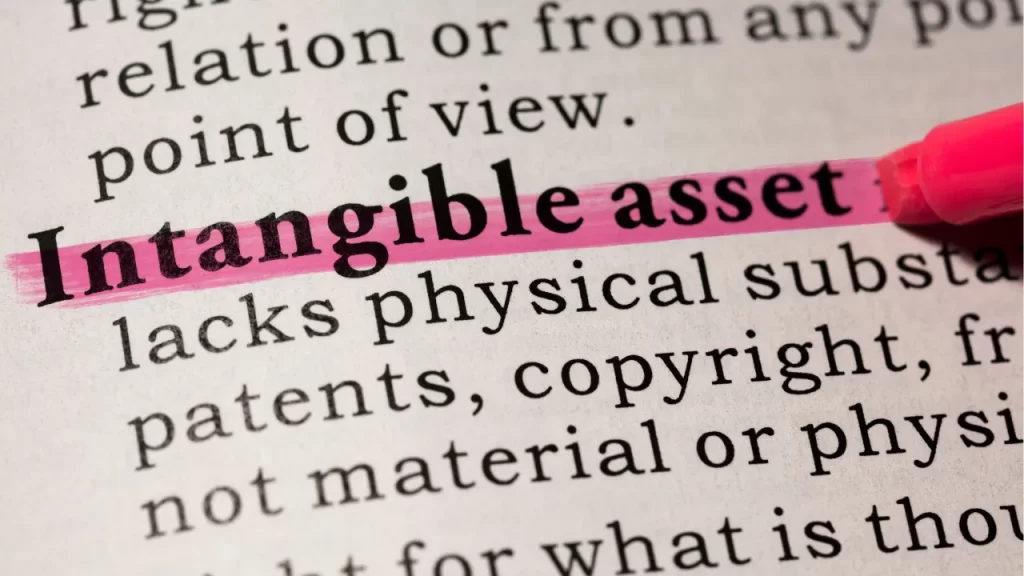
Intangible assets are identifiable, non-monetary assets that lack physical substance. They deliver economic or service benefits to the organisation and can include:
- Software systems and applications
- Licences, permits, and rights
- Research and development outputs
- Copyrights and trademarks
- Franchise agreements
- Patented technology
In the public sector, intangible assets also include digital platforms used for service delivery, such as municipal billing systems or custom-developed software.
Recognition Criteria for Intangible Assets
An intangible asset is recognised in the books only when both of the following conditions are met:
- Control: The organisation must have control over the asset and be able to restrict others from accessing its benefits.
- Future Economic Benefit or Service Potential: The asset must be expected to generate measurable benefits—either through revenue, cost savings, or enhanced public service.
If an intangible doesn’t meet these criteria, it should not be recognised as an asset—even if it plays an important operational role.
Internally Generated vs Acquired Intangibles
Acquired intangibles, such as purchased software or licences, are easier to recognise and measure—they are typically recorded at purchase cost.
Internally generated intangibles, like custom-developed systems, are more complex.
Development costs may be capitalised only if the project reaches the development phase and meets strict criteria under GRAP 31 or IFRS 38.
Costs related to research, feasibility studies, or training are usually expensed, not capitalised.
Initial Measurement
On initial recognition, an intangible asset is measured at cost. This includes:
- Purchase price
- Import duties or non-refundable taxes
- Direct costs to prepare the asset for use (e.g., implementation fees, developer time)
If the asset is acquired through non-exchange transactions (such as a donation or grant), it’s recorded at fair value on the date of acquisition.
Subsequent Measurement
Entities may choose between:
- Cost Model: The intangible is carried at cost less accumulated amortisation and impairment losses.
- Revaluation Model: Permitted only if there’s an active market, which is rare for most intangibles.
For example, software licenses would typically follow the cost model, with amortisation based on their useful life.
Amortisation and Useful Life
Intangible assets with finite useful lives must be amortised over their expected life. The amortisation method should reflect the pattern of usage.
If this pattern isn’t clear, a straight-line basis is used.
Assets with indefinite useful lives—such as some trademarks—are not amortised, but must be reviewed annually for impairment.
Impairment Considerations
If the intangible asset’s value has declined due to technological change, legal restrictions, or diminished utility, it must be tested for impairment.
Any loss must be recorded immediately.
At Synergy Evolution, we help identify such triggers and perform impairment reviews that align with audit standards.
Disclosure Requirements
To ensure transparency, financial statements must disclose:
- Nature and type of intangible assets
- Useful life and amortisation methods
- Reconciliation of carrying amounts
- Impairment losses or reversals
- Significant assumptions used in valuation
These disclosures are often scrutinised by auditors, especially where internally developed intangibles are involved.
How Synergy Evolution Supports You
Managing intangible assets isn’t just about software—it’s about controlling and safeguarding intellectual value. We help your organisation:
✅ Identify and classify all intangible assets
✅ Apply recognition criteria based on GRAP 31 or IFRS 38
✅ Develop policies for capitalisation and amortisation
✅ Perform impairment testing and fair value assessments
✅ Ensure full compliance and prepare audit-ready documentation
Whether you’re a public sector entity with custom billing platforms or a business investing in digital tools, Synergy Evolution ensures your intangible assets are recognised, measured, and reported with precision.
Final Thoughts
Intangible assets may be invisible—but their impact is not.
Accurately accounting for them is key to fair financial reporting, compliance, and protecting your organisation’s intellectual investment.
With Synergy Evolution, you gain a trusted partner to help you navigate the complexity of intangible asset management and align with evolving audit and regulatory standards.