
Asset Management

Best Practices for Developing an Asset Management Framework

Developing an effective asset management framework requires a structured approach that aligns organizational goals, governance, risk management, and lifecycle planning to ensure optimal asset performance and value.  The best frameworks are not just technical documentsโ€”they are strategic blueprints that empower decision-makers, improve service delivery, and support audit readiness. At Synergy Evolution, weโ€™ve seen how a […]

Best Practices for Developing an Asset Management Framework Read More ยป

Leveraging Asset Management to Improve Service Deliveryย 

Asset management improves service delivery by ensuring that physical and financial assets are maintained, utilized, and planned strategically to support consistent, high-quality, and cost-effective services.  Asset management isnโ€™t just about keeping track of what you ownโ€”itโ€™s a strategic engine that powers better, faster, and more reliable service delivery.  Whether you’re running a municipality, utility, healthcare

Leveraging Asset Management to Improve Service Deliveryย  Read More ยป

Integrating Sustainability into Asset Management Strategiesย 

Integrating sustainability into asset management strategies is essential because it helps organizations manage assets in a way that minimizes environmental impact, reduces long-term costs, and supports regulatory compliance while still achieving operational and financial objectives. Sustainability isnโ€™t just a buzzwordโ€”itโ€™s a strategic imperative. When woven into asset management, it helps organizations future-proof operations, reduce environmental

Integrating Sustainability into Asset Management Strategiesย  Read More ยป

Boost Decision-Making with Smart Asset Analytics

Asset data analytics enhances decision-making by providing organizations with actionable insights into asset performance, risks, costs, and lifecycle trends, enabling more informed and strategic management decisions. Asset data analytics transforms raw information into strategic intelligence. By leveraging data from sensors, maintenance logs, financial systems, and operational metrics, organizations can make smarter, faster, and more confident

Boost Decision-Making with Smart Asset Analytics Read More ยป

ISO 55000 | Complete Guide to Asset Management Standards

ISO 55000 is important because it provides a globally recognized framework for managing assets effectively, ensuring organizations can maximize value, manage risk, and achieve consistent, sustainable performance. ISO 55000 is the international standard that lays the foundation for effective asset management across industries. Whether you’re managing infrastructure, equipment, intellectual property, or human capital, this standard

ISO 55000 | Complete Guide to Asset Management Standards Read More ยป

Understanding Asset Lifecycle Stages and Their Impact

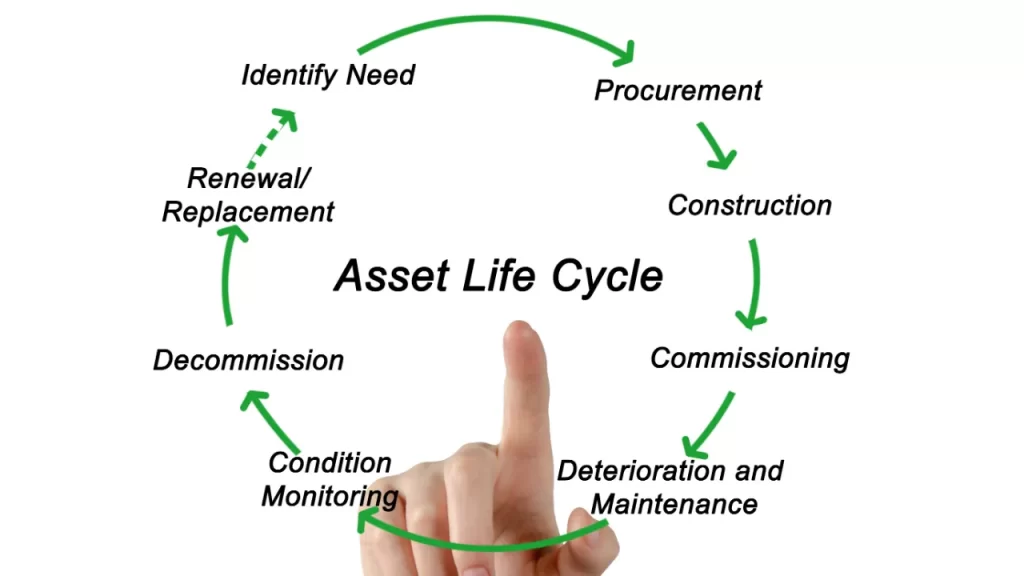
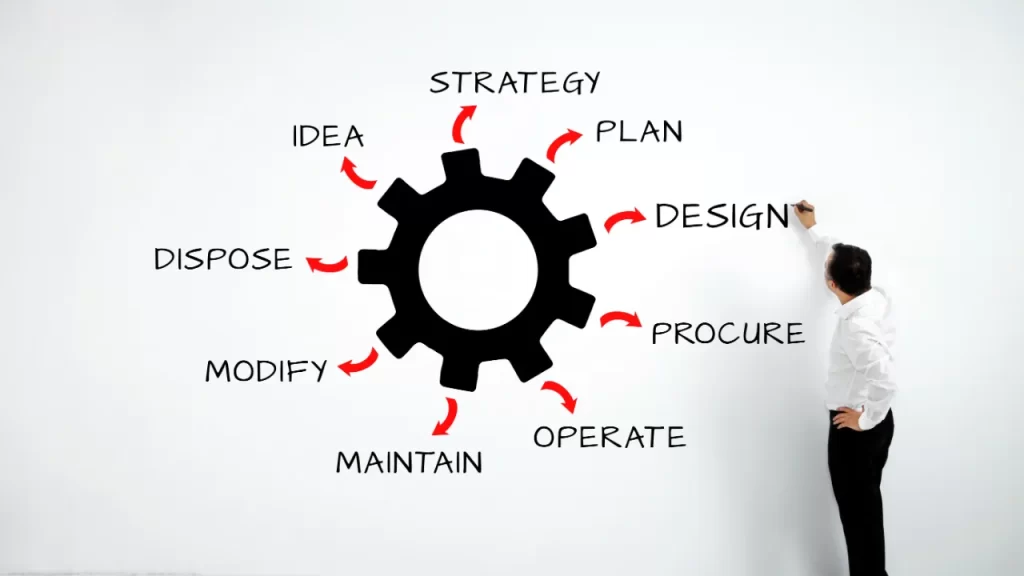
Understanding asset lifecycle stages is essential because it helps organizations manage assets more efficiently, optimize costs, extend asset life, and improve overall service delivery. Asset management isn’t just a matter of owning thingsโ€”itโ€™s about knowing how each asset evolves over time and how decisions at each stage can make or break operational success. The lifecycle

Understanding Asset Lifecycle Stages and Their Impact Read More ยป

The Role of Governance in Asset Management Success

Governance plays a critical role in asset management success because it establishes the policies, structures, and accountability frameworks that ensure assets are managed effectively, sustainably, and in alignment with organizational goals.  Governance in asset management isnโ€™t just about rules and policiesโ€”itโ€™s about orchestrating accountability, transparency, and strategic alignment across every level of an organization.  When

The Role of Governance in Asset Management Success Read More ยป

Balancing Risk and Value in Asset Management Choices

Balancing risk and value in asset management decisions means making informed choices that maximize asset performance and return on investment while minimizing potential threats to operational, financial, and regulatory stability.  Striking the right balance between risk and value is like walking a tightropeโ€”every asset decision carries potential rewards but also exposure to loss or inefficiency. 

Balancing Risk and Value in Asset Management Choices Read More ยป

Asset Management’s Role in Ensuring Audit Readiness

Proper asset management supports audit readiness by providing accurate, well-documented, and transparent records of asset ownership, value, and maintenance activities, ensuring organizations can demonstrate compliance and governance when undergoing internal or external audits.  Effective asset management isn’t just about tracking equipment or balancing spreadsheetsโ€”itโ€™s a cornerstone of financial integrity and audit preparedness Without strong asset

Asset Management’s Role in Ensuring Audit Readiness Read More ยป

Strategic Asset Planning | Key to Long-Term Success

Strategic asset planning is crucial because it ensures that every asset within an organization is managed, maintained, and utilized in a way that maximizes value, minimizes costs, and supports long-term operational goals.  Strategic asset planning is more than just maintaining a list of what you ownโ€”itโ€™s about ensuring that every asset, whether physical, financial, or

Strategic Asset Planning | Key to Long-Term Success Read More ยป

Core Principles for Effective Modern Asset Management

Modern asset management is built on principles that ensure organizations can maximize asset value, minimize risk, and achieve long-term operational efficiency.  Modern asset management is built on a set of foundational principles that guide organizations in maximizing value, minimizing risk, and ensuring long-term sustainability.  These principles apply across industriesโ€”from infrastructure and utilities to IT and

Core Principles for Effective Modern Asset Management Read More ยป

The Role of Insurance in Fixed Asset Management

Fixed assetsโ€”machinery, equipment, vehicles, buildingsโ€”are critical to business operations.  Yet, they are vulnerable to theft, damage, and natural disasters. Integrating insurance into your fixed asset management strategy is key to safeguarding your investments and ensuring operational continuity. This post explores the role of insurance in mitigating asset-related risks, how to assess your coverage needs, and

The Role of Insurance in Fixed Asset Management Read More ยป

Best Open-Source Asset Tools for Small Businesses

For startups and small businesses, managing fixed assets efficiently is essentialโ€”but commercial software can often be costly.  Thatโ€™s where open-source asset management tools come in. These platforms provide essential features such as tracking, auditing, depreciation, and reportingโ€”without breaking the bank. In this article, we highlight some of the best free or low-cost tools ideal for

Best Open-Source Asset Tools for Small Businesses Read More ยป

Fixed Asset Management in Mergers & Acquisitions

Mergers and acquisitions (M&A) bring both opportunities and challengesโ€”especially when it comes to managing fixed assets.  Successfully reconciling and integrating physical assets, systems, and records during corporate restructuring is critical for ensuring a smooth transition, financial accuracy, and ongoing operational efficiency. In this post, weโ€™ll guide you through key steps and best practices for managing

Fixed Asset Management in Mergers & Acquisitions Read More ยป

Quantum Computing in Asset Management | The Future

As quantum computing edges closer to practical implementation, industries across the globe are preparing for a new era of data processing and optimization.  While still emerging, quantum computing holds immense potential to revolutionize asset management systems by tackling complex problems beyond the reach of classical computers. This article explores how quantum advancements might reshape asset

Quantum Computing in Asset Management | The Future Read More ยป

AIโ€™s Role in Predictive Maintenance by the Year 2030

Artificial Intelligence (AI) is no longer a futuristic conceptโ€”it’s already shaping how businesses manage and maintain their assets.  By 2030, predictive maintenance powered by AI is expected to be the gold standard across asset-intensive industries.  This blog post explores how AI will redefine predictive maintenance in the next decade and what it means for organizations

AIโ€™s Role in Predictive Maintenance by the Year 2030 Read More ยป

Future of Asset Management | Trends for the Next Decade

As we approach a new era of rapid innovation and global transformation, the asset management landscape is poised for significant change.  Emerging technologies, evolving regulations, and shifting business priorities are redefining how companies across industries manage their physical and digital assets. This article explores the key trends shaping the future of asset management over the

Future of Asset Management | Trends for the Next Decade Read More ยป

Cape Town Firms Using Asset Management Software

Cape Town, one of South Africaโ€™s most innovative and entrepreneurial cities, is seeing a rapid uptake of digital transformation across all business sectors.  One area thatโ€™s gaining significant momentum is the adoption of asset management software.  From tech startups to well-established manufacturers, Cape Town businesses are using these tools to improve operational efficiency, ensure compliance,

Cape Town Firms Using Asset Management Software Read More ยป

Fixed Asset Challenges for Durban-Based Companies

Durban, known for its thriving port and diverse economy, is a key player in South Africaโ€™s commercial landscape.  However, Durban-based businesses are encountering a unique set of challenges when it comes to fixed asset management.  From environmental risks to infrastructure concerns, understanding these challenges is critical for sustainable and compliant operations. In this post, we

Fixed Asset Challenges for Durban-Based Companies Read More ยป

Asset Management Trends in Johannesburg Business

Johannesburg, South Africaโ€™s economic powerhouse, is home to a dynamic mix of industriesโ€”from finance and manufacturing to logistics and retail.  As competition intensifies and regulatory pressures grow, businesses in Johannesburg are embracing modern asset management trends to drive growth, increase efficiency, and remain compliant. This post explores the current trends shaping fixed asset management in

Asset Management Trends in Johannesburg Business Read More ยป

Fixed Asset Management | South Africa Success Stories

Fixed asset management plays a critical role in ensuring businesses maintain efficiency, optimize resources, and comply with financial regulations.  Across South Africa, companies in various sectors have leveraged innovative asset management strategies to improve operations.  This post highlights real-world success stories from South African businesses that have excelled in fixed asset management. Manufacturing: Boosting Productivity

Fixed Asset Management | South Africa Success Stories Read More ยป

How IoT Transforms Asset Management in Construction

The construction industry has witnessed a digital revolution in recent years, and the Internet of Things (IoT) is at the forefront of this transformation.  By integrating IoT technologies into asset management, construction firms can track equipment, monitor site conditions, and improve maintenance practices in real time.  In this post, we explore real-world use cases of

How IoT Transforms Asset Management in Construction Read More ยป

Dynamic Asset Allocation Strategies for a Changing Economy

In todayโ€™s volatile economic landscape, businesses must adopt dynamic asset allocation strategies to ensure resilience and efficiency.  Fixed asset management is no longer a static processโ€”economic fluctuations, technological advancements, and regulatory changes necessitate adaptive approaches to maximize asset value and minimize risks.  This guide explores key strategies for navigating economic shifts and optimizing asset allocation.

Dynamic Asset Allocation Strategies for a Changing Economy Read More ยป

Lifecycle Cost Analysis | Optimize Long-Term Assets

Effective asset management goes beyond just the initial purchase price. Businesses must consider the total cost of ownership (TCO) over an asset’s lifecycle to maximize its value.  Lifecycle Cost Analysis (LCA) helps organizations understand and optimize the long-term financial impact of their assets.  This article explores strategies to calculate and reduce TCO, ensuring long-term asset

Lifecycle Cost Analysis | Optimize Long-Term Assets Read More ยป

Scenario Planning in Fixed Asset Management

Economic uncertainty poses significant challenges to businesses managing fixed assets.  Fluctuations in market conditions, regulatory changes, and unforeseen global events can impact asset value, maintenance costs, and investment decisions.  Scenario planning is a strategic approach that helps businesses prepare for different economic outcomes and mitigate risks.  This article explores how scenario analysis can enhance fixed

Scenario Planning in Fixed Asset Management Read More ยป

TCO vs. ROI | A Guide to Asset Management Strategies

In asset management, understanding financial metrics is crucial for making informed investment decisions. Two key metrics that organizations rely on are Total Cost of Ownership (TCO) and Return on Investment (ROI).  While both measure financial performance, they serve different purposes in evaluating asset-related expenses and profitability.  This article explores the differences between TCO and ROI,

TCO vs. ROI | A Guide to Asset Management Strategies Read More ยป

Top Tips to Avoid Fixed Asset Reconciliation Pitfalls

Fixed asset reconciliation is a critical process for maintaining accurate financial records, ensuring compliance, and preventing asset mismanagement.  However, businesses often encounter challenges that lead to discrepancies, financial misstatements, and inefficiencies.  In this article, we discuss common pitfalls in fixed asset reconciliation and how to avoid them. Common Pitfalls and Solutions 1. Inconsistent or Incomplete

Top Tips to Avoid Fixed Asset Reconciliation Pitfalls Read More ยป

Ultimate 5-Step Guide Automate Fixed Asset Tracking

Managing fixed assets efficiently is crucial for businesses aiming to reduce manual errors, improve accuracy, and streamline operations.  Automating fixed asset tracking using technology such as barcodes, RFID, and asset management software ensures real-time visibility and compliance.  This guide outlines five key steps to implementing automation in fixed asset tracking. Benefits of Automating Fixed Asset

Ultimate 5-Step Guide Automate Fixed Asset Tracking Read More ยป

Fixed Asset Impairment Test | Step-by-Step Guide

Fixed asset impairment occurs when the carrying value of an asset exceeds its recoverable amount, leading to a necessary write-down.  Impairment testing helps businesses ensure accurate financial reporting and compliance with accounting standards such as IFRS and GAAP.  This guide provides a step-by-step approach to performing a fixed asset impairment test. What is Fixed Asset

Fixed Asset Impairment Test | Step-by-Step Guide Read More ยป

Asset Hierarchies | How to Build an Effective Asset Register

An effective asset register is essential for organizations to manage and track their fixed assets efficiently.  Asset hierarchies provide a structured approach to categorization, ensuring better visibility, reporting, and decision-making.  This guide explores the importance of asset hierarchies and best practices for building a comprehensive asset register. What is an Asset Hierarchy? An asset hierarchy

Asset Hierarchies | How to Build an Effective Asset Register Read More ยป

Scroll to Top