
Best Practices for Developing an Asset Management Framework
Developing an effective asset management framework requires a structured approach that aligns organizational goals, governance,

Developing an effective asset management framework requires a structured approach that aligns organizational goals, governance,
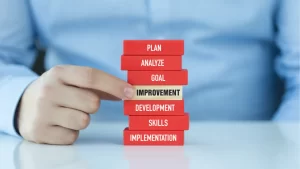
Asset management improves service delivery by ensuring that physical and financial assets are maintained, utilized,

Integrating sustainability into asset management strategies is essential because it helps organizations manage assets in

Asset data analytics enhances decision-making by providing organizations with actionable insights into asset performance, risks,

ISO 55000 is important because it provides a globally recognized framework for managing assets effectively,
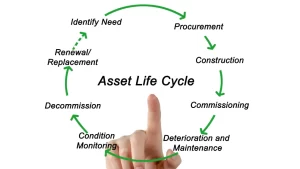
Understanding asset lifecycle stages is essential because it helps organizations manage assets more efficiently, optimize

Governance plays a critical role in asset management success because it establishes the policies, structures,

Balancing risk and value in asset management decisions means making informed choices that maximize asset

Proper asset management supports audit readiness by providing accurate, well-documented, and transparent records of asset

Strategic asset planning is crucial because it ensures that every asset within an organization is

Modern asset management is built on principles that ensure organizations can maximize asset value, minimize

To ensure that infrastructure investments lead to meaningful, long-term benefits, they must be aligned with

Smart cities are no longer a futuristic concept — they are rapidly becoming a necessity

Climate change poses significant risks to South Africa’s infrastructure, threatening economic stability, public safety, and

Sustainable infrastructure goes beyond building roads or utilities; it is a transformative tool that empowers

Effective stakeholder engagement is a critical success factor for infrastructure projects in South Africa. It

Public-Private Partnerships (PPPs) are crucial for bridging South Africa’s infrastructure gap, especially given the rising
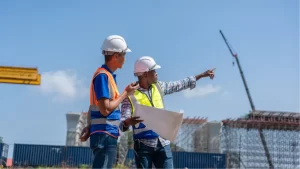
Maintenance planning is essential because it ensures infrastructure lasts longer, performs better, and costs less

Energy audits matter because they uncover hidden inefficiencies, reduce operational costs, and help industrial sites

South Africa is undergoing a significant shift toward a low-carbon, clean energy future, driven by

As climate change intensifies, South Africa is experiencing more frequent floods, droughts, heatwaves, and severe

Infrastructure is one of the most significant long-term investments a government, business, or community can

Public-private partnerships (PPPs) are playing an increasingly vital role in addressing South Africa’s infrastructure backlog.

No infrastructure project exists in a vacuum. Every road, bridge, or energy grid impacts and

Infrastructure isn’t just about physical assets it’s about building stronger, more self-reliant communities. When designed

In a rural settlement in the Eastern Cape, residents had long struggled with inadequate roads,

Urban infrastructure in South Africa is under increasing pressure. Rapid population growth, aging systems, budget

As urbanisation accelerates across South Africa, municipalities are under pressure to provide better services, improve

Infrastructure development is more than just roads, bridges, and buildings; it’s a powerful tool for

Planning infrastructure projects is a complex process that requires long-term vision, stakeholder alignment, and strategic