
Asset Management

Inventory & Asset Tagging for Stronger Audit Results

Accurate asset tracking is critical for both operational efficiency and audit compliance.  Without a reliable system, organisations risk misplaced assets, inaccurate financial reporting, and negative audit findings. Inventory and asset tagging provides a simple yet powerful solution.  At Synergy Evolution, we help public and private entities implement tagging systems that improve accountability, reduce losses, and […]

Inventory & Asset Tagging for Stronger Audit Results Read More »

Fair Value Measurement in Asset Accounting 

Fair value measurement ensures that the recorded value of an asset reflects its true, current worth—not just historical cost.  For organisations in both the public and private sectors, fair value is central to complying with standards like GRAP 103, GRAP 17, and IFRS 13, achieving accurate financial reporting, and passing audits without qualification. At Synergy

Fair Value Measurement in Asset Accounting  Read More »

Accounting for Donated and Community Assets Guide

Donated and community assets are often misunderstood in accounting.  These assets may come at no cost to the organisation, but they still carry value—and require proper treatment in the asset register and financial statements.  Whether gifted by another entity, transferred from a department, or created for public use, these assets must be handled carefully to

Accounting for Donated and Community Assets Guide Read More »

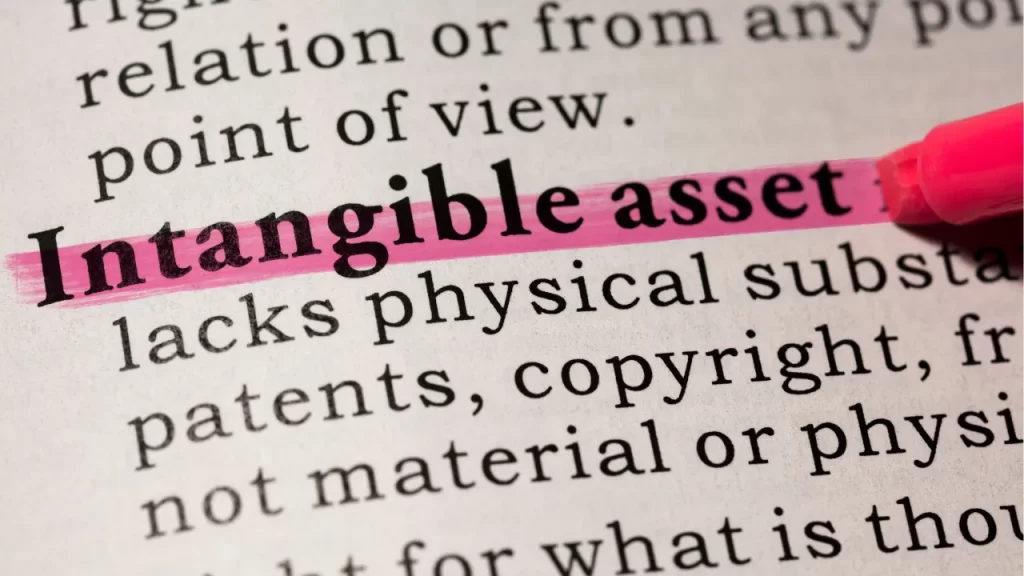
Intangible Assets | Key Recognition Principles

Unlike physical assets, intangible assets such as software, licenses, and intellectual property are not visible—but they are vital.  Mismanaging them can lead to misstatements in financial reports, poor investment decisions, and audit concerns. At Synergy Evolution, we guide organisations through the proper recognition, valuation, and management of intangible assets to ensure compliance with GRAP 31,

Intangible Assets | Key Recognition Principles Read More »

Accounting for Asset Disposals and Write-Offs

Disposing of or writing off an asset is a standard part of the asset lifecycle—but when not handled correctly, it can lead to compliance issues, inaccurate reporting, and audit findings.  Whether you’re selling, donating, transferring, or scrapping assets, proper accounting treatment is essential. At Synergy Evolution, we support public and private sector organisations in implementing

Accounting for Asset Disposals and Write-Offs Read More »

Depreciation Methods and Impact on Financial Reports

Depreciation is more than just an accounting entry. It plays a vital role in how organisations track asset value, plan budgets, and comply with reporting standards like GRAP and IFRS.  Selecting the right depreciation method ensures accurate financial statements, supports better decision-making, and satisfies audit scrutiny. At Synergy Evolution, we help clients apply appropriate, standard-compliant

Depreciation Methods and Impact on Financial Reports Read More »

Revaluation of Assets | Timing and Key Procedures

Asset revaluation is the process of adjusting the book value of an asset to reflect its current fair value.  This is particularly important for public sector entities that need to maintain a transparent, up-to-date asset register in line with GRAP or IFRS standards.  Done properly, revaluation ensures that your financial statements reflect reality and support

Revaluation of Assets | Timing and Key Procedures Read More »

Asset Impairment Testing | A Step-by-Step Guide

Asset impairment testing is the process of evaluating whether an asset’s carrying value exceeds its recoverable amount. If it does, the asset is impaired and must be adjusted accordingly.  This ensures that financial statements reflect true asset value, prevents overstatement, and supports audit transparency. At Synergy Evolution, we support organisations in implementing systematic impairment assessments

Asset Impairment Testing | A Step-by-Step Guide Read More »

Heritage Assets | Definition, Valuation, and Accounting Guidelines

Heritage assets present unique challenges in asset management because of their cultural, environmental, or historical significance.  While they may not generate direct economic returns, these assets must still be properly recognised, safeguarded, and disclosed in financial statements to ensure transparency, compliance, and audit readiness. At Synergy Evolution, we help organisations develop policies, asset registers, and

Heritage Assets | Definition, Valuation, and Accounting Guidelines Read More »

Understanding Accounting Treatments for Tangible Assets

Tangible assets—such as machinery, buildings, and vehicles—must be recognized, measured, depreciated, and reviewed for impairment in accordance with relevant accounting standards.  Proper accounting treatment is essential not only for financial accuracy but also for audit compliance and long-term asset performance. At Synergy Evolution, we help organisations implement compliant, auditable, and value-driven asset management strategies that

Understanding Accounting Treatments for Tangible Assets Read More »

Bridging Finance and Asset Management Teams Effectively

Bridging the gap between finance and asset management teams is essential because it ensures alignment between operational asset decisions and financial reporting, budgeting, and compliance, leading to better audit outcomes, cost control, and strategic planning.  When these teams operate in silos, organizations face inefficiencies, duplicated efforts, and missed opportunities to optimize asset value. At Synergy

Bridging Finance and Asset Management Teams Effectively Read More »

Developing an Effective Asset Management Roadmap

Developing an asset management maturity roadmap is essential because it helps organizations assess their current capabilities, identify performance gaps, and build a step-by-step path toward better governance, efficiency, and long-term value.  A maturity roadmap is not just a diagnostic tool—it’s a strategic planning resource that drives continuous improvement. At Synergy Evolution, we work with public

Developing an Effective Asset Management Roadmap Read More »

Key Metrics to Track Asset Management Performance

Monitoring asset management performance is only effective when organizations track the right metrics—those that measure asset health, efficiency, value delivery, and alignment with strategic goals.  These metrics provide decision-makers with the insight needed to optimize resources, reduce costs, and stay audit-ready. At Synergy Evolution, we help organizations define, track, and act on key performance indicators

Key Metrics to Track Asset Management Performance Read More »

Aligning Asset Management with Public Audit Rules

Aligning asset management with public sector audit requirements is essential because it ensures compliance, transparency, and accountability in how public funds and physical resources are managed.  Audit readiness isn’t just a year-end task—it requires continuous alignment between your asset management processes and the expectations of the Auditor-General and oversight bodies. At Synergy Evolution, we’ve helped

Aligning Asset Management with Public Audit Rules Read More »

Building Accountability Culture in Asset Management

Creating a culture of accountability in asset management means ensuring that everyone—across all organisational departments—takes ownership of how assets are planned, used, maintained, and reported, leading to more efficient operations, reduced risk, and improved audit outcomes.  Accountability transforms asset management from a siloed task into an organization-wide discipline. At Synergy Evolution, we’ve seen firsthand how

Building Accountability Culture in Asset Management Read More »

Compliance with National Asset Management Rules

Achieving compliance with national asset management regulations is essential because it ensures transparency, financial accountability, and proper stewardship of public and organizational resources.  Failing to comply can result in audit findings, funding limitations, reputational damage, and legal consequences. At Synergy Evolution, we guide organizations—especially in the public sector—through the process of aligning their asset management

Compliance with National Asset Management Rules Read More »

Policy Guidelines for Smarter Asset Utilization

Effective asset utilization begins with clear policy guidelines & accounting standards that define how assets should be acquired, used, maintained, and eventually retired to deliver maximum value and efficiency.  Without such policies in place, organizations risk underutilizing valuable resources, increasing operational costs, and falling short of service delivery expectations. At Synergy Evolution, we help organizations

Policy Guidelines for Smarter Asset Utilization Read More »

Common Pitfalls in Asset Management and Solutions

Asset management can fall short when organizations lack clear strategies, fail to maintain accurate records, or ignore lifecycle planning, ultimately leading to inefficiencies, higher costs, and poor audit outcomes.  Avoiding these common pitfalls is essential to maximizing asset value and ensuring compliance. At Synergy Evolution, we’ve worked with clients across various sectors who overcame these

Common Pitfalls in Asset Management and Solutions Read More »

Step-by-Step Guide to Effective Asset Assessments

Asset condition assessments are essential because they provide a structured, evidence-based way to evaluate the physical state and performance of assets, helping organizations make informed decisions about maintenance, replacement, and investment.  Without regular assessments, it’s difficult to manage risk, justify budgets, or remain audit-ready. At Synergy Evolution, we’ve helped organizations across South Africa and neighbouring

Step-by-Step Guide to Effective Asset Assessments Read More »

Best Practices for Developing an Asset Management Framework

Developing an effective asset management framework requires a structured approach that aligns organizational goals, governance, risk management, and lifecycle planning to ensure optimal asset performance and value.  The best frameworks are not just technical documents—they are strategic blueprints that empower decision-makers, improve service delivery, and support audit readiness. At Synergy Evolution, we’ve seen how a

Best Practices for Developing an Asset Management Framework Read More »

Leveraging Asset Management to Improve Service Delivery 

Asset management improves service delivery by ensuring that physical and financial assets are maintained, utilized, and planned strategically to support consistent, high-quality, and cost-effective services.  Asset management isn’t just about keeping track of what you own—it’s a strategic engine that powers better, faster, and more reliable service delivery.  Whether you’re running a municipality, utility, healthcare

Leveraging Asset Management to Improve Service Delivery  Read More »

Integrating Sustainability into Asset Management Strategies 

Integrating sustainability into asset management strategies is essential because it helps organizations manage assets in a way that minimizes environmental impact, reduces long-term costs, and supports regulatory compliance while still achieving operational and financial objectives. Sustainability isn’t just a buzzword—it’s a strategic imperative. When woven into asset management, it helps organizations future-proof operations, reduce environmental

Integrating Sustainability into Asset Management Strategies  Read More »

Boost Decision-Making with Smart Asset Analytics

Asset data analytics enhances decision-making by providing organizations with actionable insights into asset performance, risks, costs, and lifecycle trends, enabling more informed and strategic management decisions. Asset data analytics transforms raw information into strategic intelligence. By leveraging data from sensors, maintenance logs, financial systems, and operational metrics, organizations can make smarter, faster, and more confident

Boost Decision-Making with Smart Asset Analytics Read More »

ISO 55000 | Complete Guide to Asset Management Standards

ISO 55000 is important because it provides a globally recognized framework for managing assets effectively, ensuring organizations can maximize value, manage risk, and achieve consistent, sustainable performance. ISO 55000 is the international standard that lays the foundation for effective asset management across industries. Whether you’re managing infrastructure, equipment, intellectual property, or human capital, this standard

ISO 55000 | Complete Guide to Asset Management Standards Read More »

Understanding Asset Lifecycle Stages and Their Impact

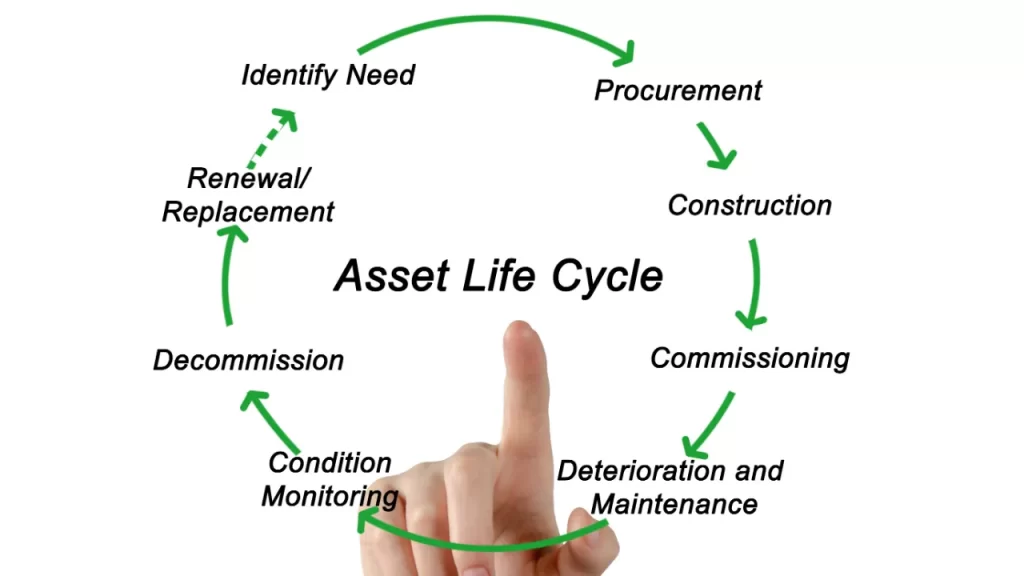
Understanding asset lifecycle stages is essential because it helps organizations manage assets more efficiently, optimize costs, extend asset life, and improve overall service delivery. Asset management isn’t just a matter of owning things—it’s about knowing how each asset evolves over time and how decisions at each stage can make or break operational success. The lifecycle

Understanding Asset Lifecycle Stages and Their Impact Read More »

The Role of Governance in Asset Management Success

Governance plays a critical role in asset management success because it establishes the policies, structures, and accountability frameworks that ensure assets are managed effectively, sustainably, and in alignment with organizational goals.  Governance in asset management isn’t just about rules and policies—it’s about orchestrating accountability, transparency, and strategic alignment across every level of an organization.  When

The Role of Governance in Asset Management Success Read More »

Balancing Risk and Value in Asset Management Choices

Balancing risk and value in asset management decisions means making informed choices that maximize asset performance and return on investment while minimizing potential threats to operational, financial, and regulatory stability.  Striking the right balance between risk and value is like walking a tightrope—every asset decision carries potential rewards but also exposure to loss or inefficiency. 

Balancing Risk and Value in Asset Management Choices Read More »

Asset Management’s Role in Ensuring Audit Readiness

Proper asset management supports audit readiness by providing accurate, well-documented, and transparent records of asset ownership, value, and maintenance activities, ensuring organizations can demonstrate compliance and governance when undergoing internal or external audits.  Effective asset management isn’t just about tracking equipment or balancing spreadsheets—it’s a cornerstone of financial integrity and audit preparedness Without strong asset

Asset Management’s Role in Ensuring Audit Readiness Read More »

Strategic Asset Planning | Key to Long-Term Success

Strategic asset planning is crucial because it ensures that every asset within an organization is managed, maintained, and utilized in a way that maximizes value, minimizes costs, and supports long-term operational goals.  Strategic asset planning is more than just maintaining a list of what you own—it’s about ensuring that every asset, whether physical, financial, or

Strategic Asset Planning | Key to Long-Term Success Read More »

Core Principles for Effective Modern Asset Management

Modern asset management is built on principles that ensure organizations can maximize asset value, minimize risk, and achieve long-term operational efficiency.  Modern asset management is built on a set of foundational principles that guide organizations in maximizing value, minimizing risk, and ensuring long-term sustainability.  These principles apply across industries—from infrastructure and utilities to IT and

Core Principles for Effective Modern Asset Management Read More »

Scroll to Top