
Inventory & Asset Tagging for Stronger Audit Results
Accurate asset tracking is critical for both operational efficiency and audit compliance. Without a reliable

Accurate asset tracking is critical for both operational efficiency and audit compliance. Without a reliable

Fair value measurement ensures that the recorded value of an asset reflects its true, current

Donated and community assets are often misunderstood in accounting. These assets may come at no
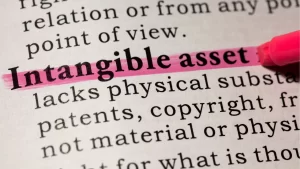
Unlike physical assets, intangible assets such as software, licenses, and intellectual property are not visible—but

Disposing of or writing off an asset is a standard part of the asset lifecycle—but

Depreciation is more than just an accounting entry. It plays a vital role in how

Asset revaluation is the process of adjusting the book value of an asset to reflect

Asset impairment testing is the process of evaluating whether an asset’s carrying value exceeds its

Heritage assets present unique challenges in asset management because of their cultural, environmental, or historical

Tangible assets—such as machinery, buildings, and vehicles—must be recognized, measured, depreciated, and reviewed for impairment

Bridging the gap between finance and asset management teams is essential because it ensures alignment

Developing an asset management maturity roadmap is essential because it helps organizations assess their current

Monitoring asset management performance is only effective when organizations track the right metrics—those that measure

Aligning asset management with public sector audit requirements is essential because it ensures compliance, transparency,

Creating a culture of accountability in asset management means ensuring that everyone—across all organisational departments—takes
Achieving compliance with national asset management regulations is essential because it ensures transparency, financial accountability,

Effective asset utilization begins with clear policy guidelines & accounting standards that define how assets
Asset management can fall short when organizations lack clear strategies, fail to maintain accurate records,

Asset condition assessments are essential because they provide a structured, evidence-based way to evaluate the

Developing an effective asset management framework requires a structured approach that aligns organizational goals, governance,

Asset management improves service delivery by ensuring that physical and financial assets are maintained, utilized,

Integrating sustainability into asset management strategies is essential because it helps organizations manage assets in

Asset data analytics enhances decision-making by providing organizations with actionable insights into asset performance, risks,

ISO 55000 is important because it provides a globally recognized framework for managing assets effectively,
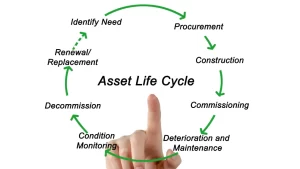
Understanding asset lifecycle stages is essential because it helps organizations manage assets more efficiently, optimize

Governance plays a critical role in asset management success because it establishes the policies, structures,

Balancing risk and value in asset management decisions means making informed choices that maximize asset

Proper asset management supports audit readiness by providing accurate, well-documented, and transparent records of asset

Strategic asset planning is crucial because it ensures that every asset within an organization is

Modern asset management is built on principles that ensure organizations can maximize asset value, minimize